Choosing the right cosmetics for daily care can feel overwhelming. With thousands of products lining store shelves, making informed decisions requires research and careful consideration, much like evaluating games on platforms such as naudapaylimitedcasino.nl where users compare features before committing. Your skin deserves attention and the right products that work with its unique needs, not against them.
This guide breaks down the essentials you need to know. We’ll cover skin types, ingredients, and practical shopping strategies that actually work.
Understanding Your Skin Type
Before buying anything, identify your skin type. This single step saves money and prevents skin issues down the road.
Does your face feel tight after washing? You likely have dry skin. Notice shine on your forehead and nose by midday? That indicates oily skin. Combination skin shows both traits in different zones.
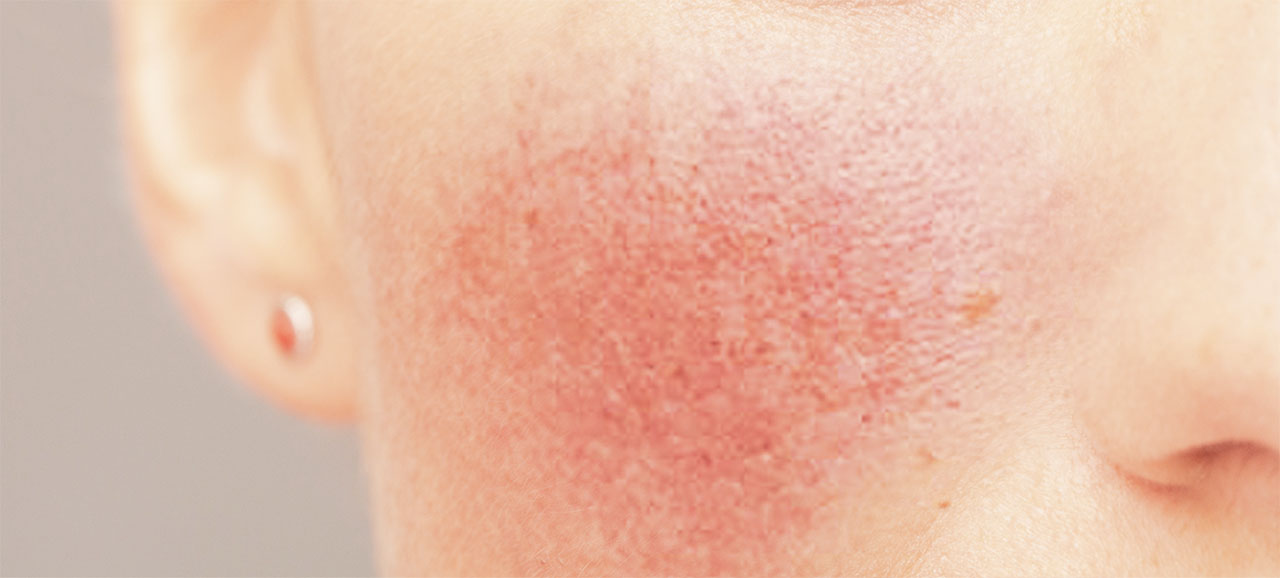
Normal skin feels balanced without excess oil or dryness. Sensitive skin reacts easily to new products with redness or irritation.
Take a simple test: wash your face and wait an hour without applying products. Observe how your skin feels and looks. This tells you what you’re working with.
Reading Ingredient Labels
Ingredient lists reveal everything about a product’s quality. The ingredients make up most of the formula.
Water often appears first in moisturizers and cleansers. Active ingredients should appear early for effectiveness. Preservatives typically sit at the end of the list.
Look for recognizable components. Hyaluronic acid hydrates deeply. Niacinamide calms inflammation and brightens skin.
Avoid products listing “fragrance” or “parfum” high up. These can irritate sensitive skin without adding benefits. Would you trust a product that hides ingredients behind vague terms?
Beneficial ingredients to seek:
- Ceramides. These lipids strengthen your skin barrier. They prevent moisture loss and protect against environmental damage.
- Vitamin C. This antioxidant brightens skin tone. It also helps produce collagen for firmer, younger-looking skin.
- Peptides. Short protein chains signal skin to produce collagen. They reduce fine lines and improve texture over time.
- Glycerin. A powerful humectant that draws water into the skin. It keeps skin soft and supple throughout the day.
Ingredients to avoid:
- Sulfates (SLS/SLES). These harsh detergents strip natural oils. They can cause dryness and irritation, especially for sensitive skin.
- Parabens. These preservatives may disrupt hormones. Many brands now offer paraben-free alternatives that work just as well.
- Denatured alcohol. It dries out skin and damages the protective barrier. Look for fatty alcohols instead, which actually moisturize.
- Synthetic fragrances. Common irritants that serve no skincare purpose. Unscented products work better for most people.
Essential Products for Daily Care
Build a simple routine first. You don’t need twenty products to maintain healthy skin.
Use a cleanser that removes dirt, oil, and makeup without stripping. Choose gel for oily skin, cream for dry skin. Moisturizer hydrates and protects your skin barrier. Apply twice daily, even if you have oily skin. Sunscreen is the single most important anti-aging product. Use SPF 30 or higher every morning, rain or shine.
Keep it simple initially. You can always add products later once you understand how your skin responds.
Matching Products to Your Needs
Different skin types require different formulations. What works for your friend might wreck your complexion.
Dry skin needs rich, creamy textures with oils and butters. Look for ingredients like shea butter, squalane, and ceramides. Avoid foaming cleansers that strip moisture.
Oily skin benefits from lightweight, gel-based products. Seek out niacinamide, salicylic acid, and non-comedogenic formulas. Skip heavy creams that clog pores.
Sensitive skin requires minimal, fragrance-free products. Stick with gentle ingredients like colloidal oatmeal and centella asiatica. Introduce new products slowly, one at a time.
Combination skin often needs different products for different zones. You might use a lighter moisturizer on your T-zone and richer cream on your cheeks.
Budget-Friendly Shopping Tips
Expensive doesn’t always mean better. Many drugstore brands use the same quality ingredients as luxury lines.
Compare ingredient lists between pricey and affordable options. You’ll often find similar formulations at vastly different price points. Focus on what’s inside the bottle, not the packaging.
Buy multi-use products. A good moisturizer can work on face, neck, and hands. This stretches your budget further and simplifies your routine.
Stock up during promotional periods. Many retailers offer discounts on multiple purchases or seasonal sales. Start with travel sizes and test expensive products in smaller versions first.
Check expiration dates. Old products lose effectiveness and may harbor bacteria. Fresh products deliver better results for your money.
Testing and Transitioning Products
Patch test new products before applying them to your entire face. This prevents full-face reactions to problematic ingredients.

Apply a small amount behind your ear or on your inner arm. Wait 24-48 hours and check for redness, itching, or bumps. If your skin stays calm, you can proceed.
Introduce one new product every two weeks. This helps identify any ingredients causing problems. Changing everything at once makes troubleshooting impossible.
Give products time to work. Most need 4-6 weeks to show real results. Switching too quickly prevents you from seeing benefits.
How does your skin feel in the morning? That feedback guides future purchases. Listen to your skin’s signals rather than marketing promises.
Building Your Routine
Start simple and build gradually. A basic routine takes just minutes but delivers lasting results.
Morning routine: cleanse, moisturize, apply sunscreen. Evening routine: cleanse, treat (if using actives), moisturize. This covers essential needs without overwhelming your skin or schedule.
Consistency matters more than complexity. Using three products daily beats owning fifteen that sit unused. Make your routine sustainable for your lifestyle.
Adjust seasonally as needed. Your skin might need richer products in winter and lighter ones in summer. Pay attention to changing needs throughout the year.
Smart cosmetic choices protect your skin’s health for decades. Take time to learn what works for you, and don’t rush the process.